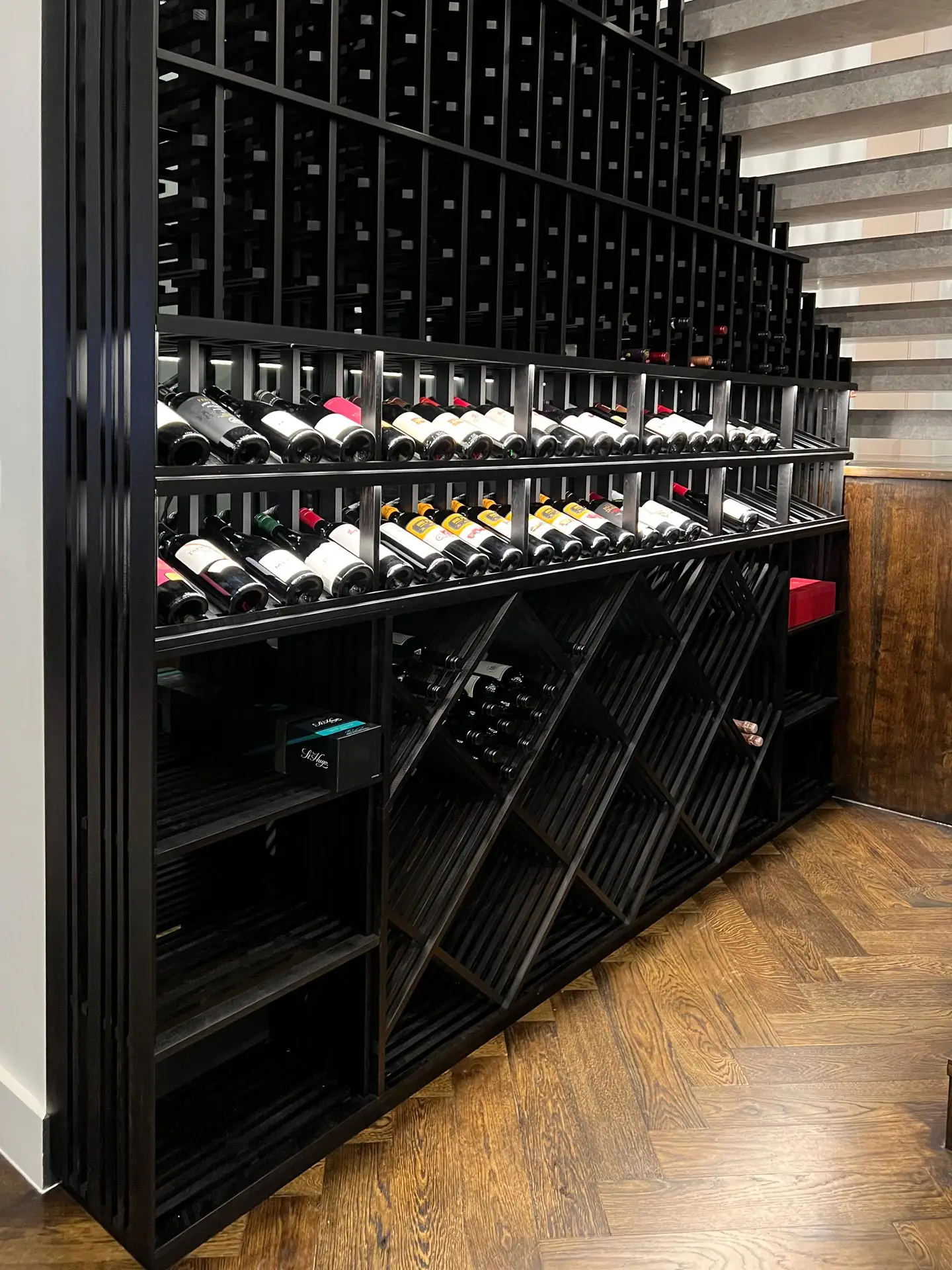
Cellar Creations designs and builds bespoke wine cellars and racking. We do not sell wine, spirits, beer or any other alcohol, and we do not hold a liquor licence.
A third party website is currently publishing a listing under our business name, address and telephone number describing us as a retailer of wine and spirits, with trading hours and a photograph that are not ours, alongside alcohol offered for sale. That listing was not authorised by us and the information in it is false.
We are also receiving a high volume of enquiries that are not genuine, including requests for video consultations to work through design options and costings where there is no project behind them. It is taking us longer than usual to separate a real enquiry from a false one. If your enquiry has been met with more caution than you expected, that is why, and we are sorry for it. We ask genuine clients to bear with us.
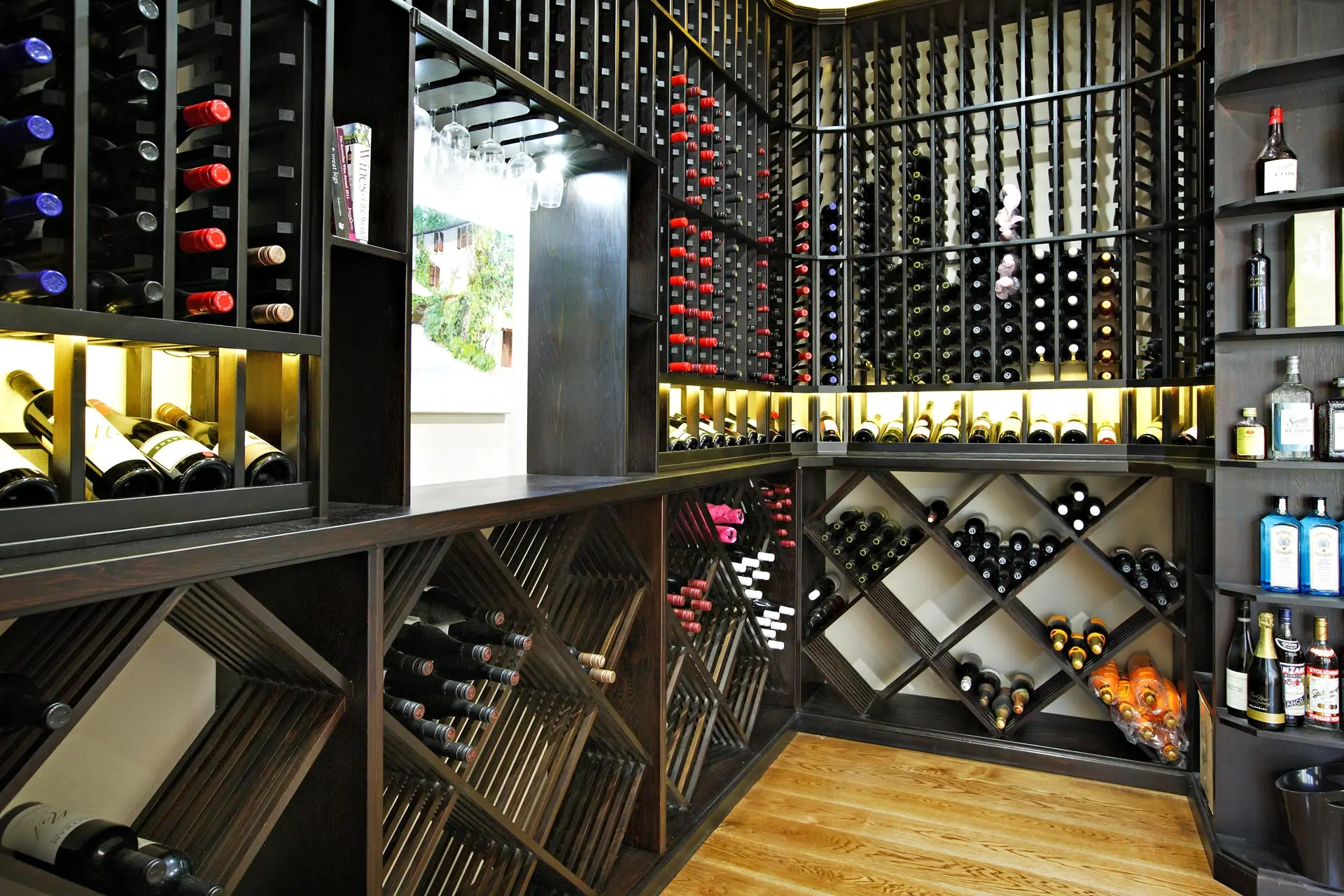
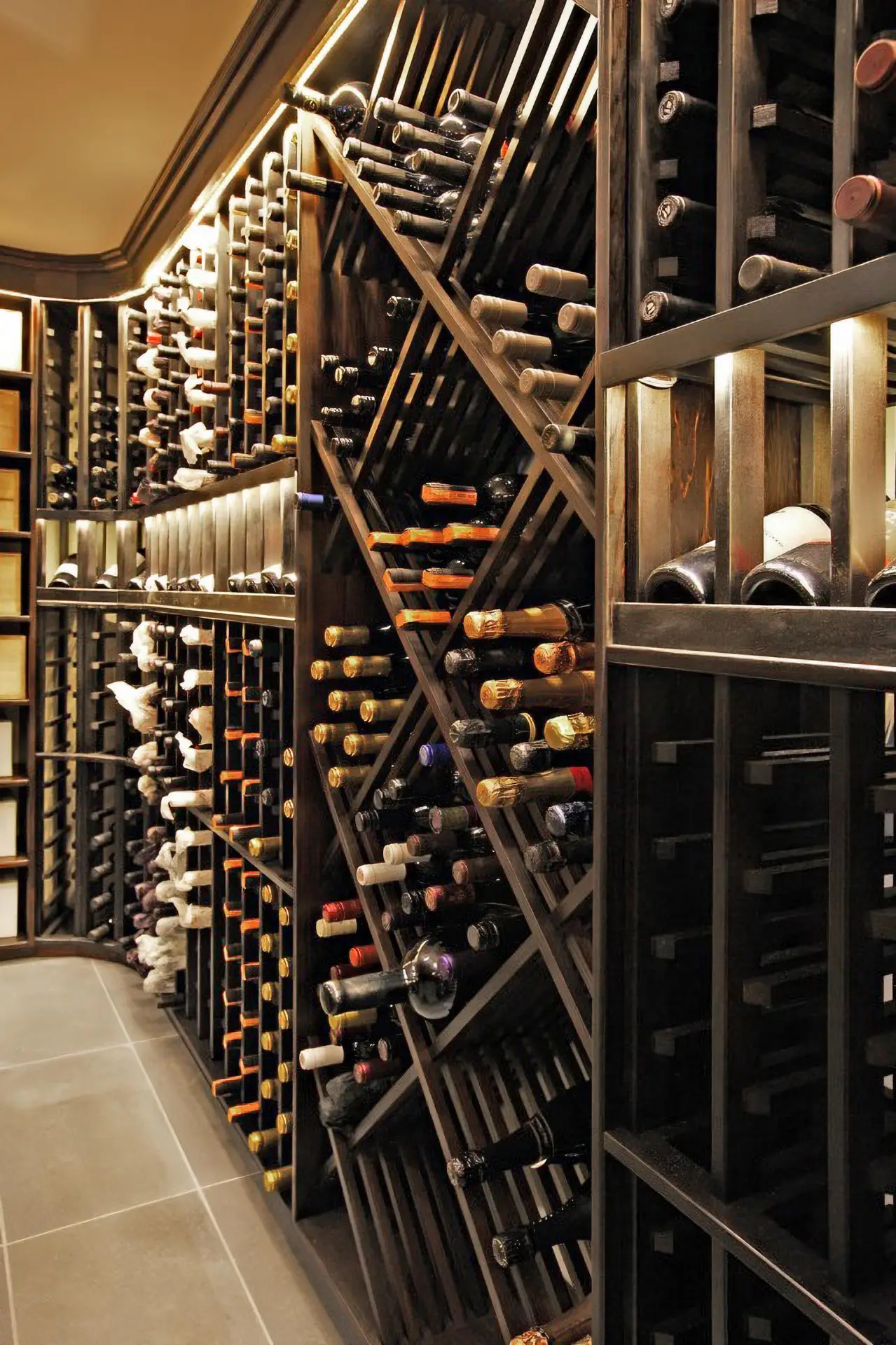
If you have arrived here expecting to buy wine, you have been misdirected. We design and build generational pieces that celebrate wood and woodworking, one at a time, for the people who commission them and the people who behold them. You can see that work in our project galleries and on our YouTube channel, RR Creative Studio.
Robert Rolls
Director
22 October 2026.